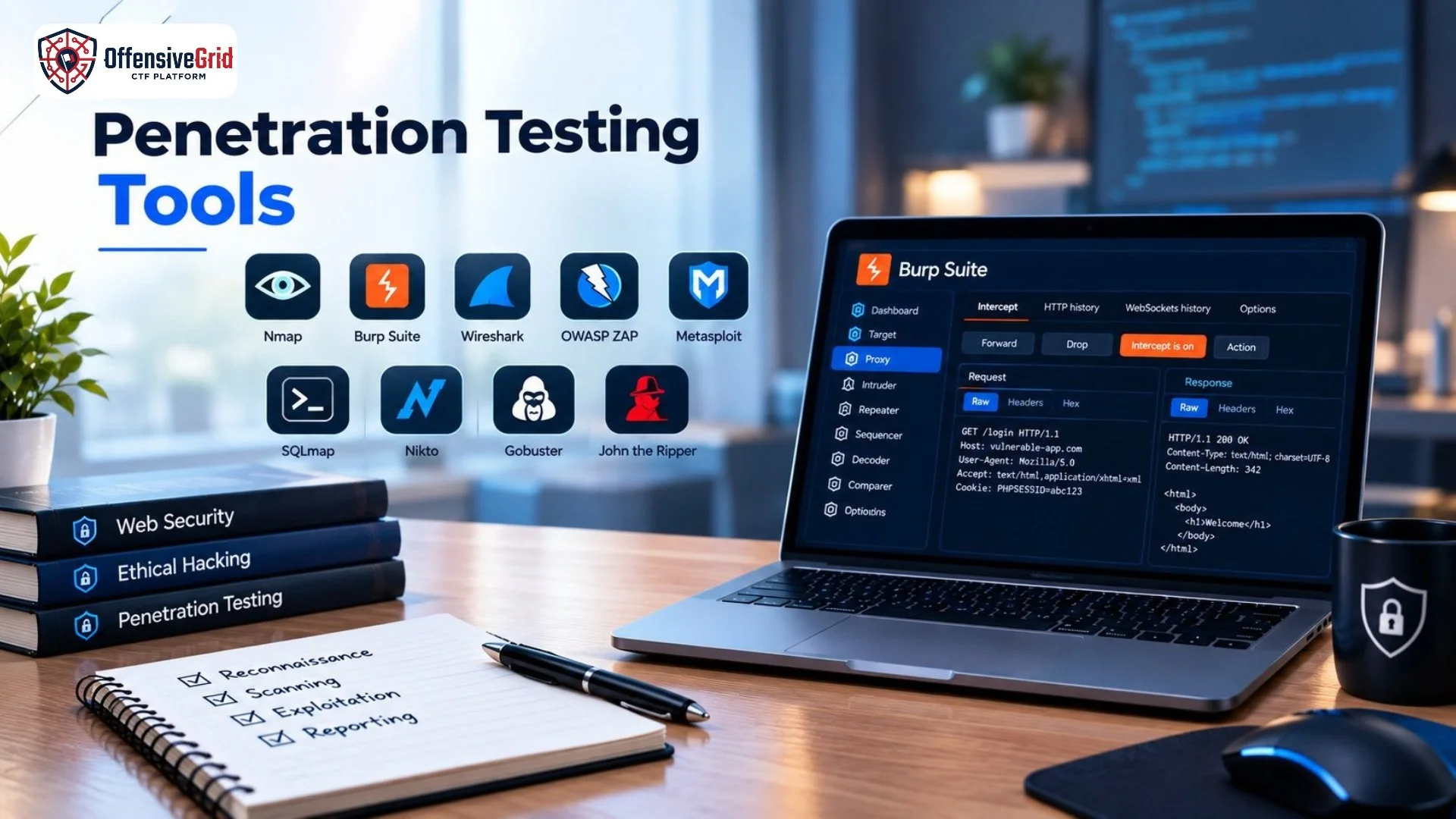
Penetration testing is a structured process used to identify, validate, and understand security weaknesses in authorized systems. To perform these assessments effectively, security professionals use a wide range of specialized penetration testing tools for reconnaissance, network scanning, web application testing, vulnerability discovery, traffic analysis, and controlled exploitation.
Choosing the right tool depends on the target environment and the objective of the assessment. A web application pentest may require a different toolkit from an internal network assessment. Understanding what each tool does helps penetration testers work more efficiently and interpret security findings accurately.
What Are Penetration Testing Tools?
Penetration testing tools are software applications and utilities designed to support different stages of a security assessment. They can help testers discover hosts and services, analyze network traffic, identify vulnerabilities, inspect web requests, validate security issues, and document findings. Some tools are highly specialized, while others support multiple phases of a penetration test.
Common categories include:
- Network scanning tools
- Web application testing tools
- Vulnerability scanners
- Packet analysis tools
- Enumeration tools
- Exploitation frameworks
- Password auditing tools
- SQL injection testing tools
A professional penetration tester usually combines several tools instead of relying on one solution.
Best Penetration Testing Tools
1. Nmap
Nmap is one of the most widely used tools for network discovery and security auditing. It can help testers identify available hosts, open ports, services, application versions, and operating system information. Its official documentation also covers port scanning, service detection, OS detection, scripting, and other network exploration capabilities.
Why Use Nmap?
Nmap is particularly useful during the reconnaissance and enumeration stages of a penetration test. Testers can use it in authorized environments to build an understanding of the network attack surface before moving to deeper testing.
2. Burp Suite
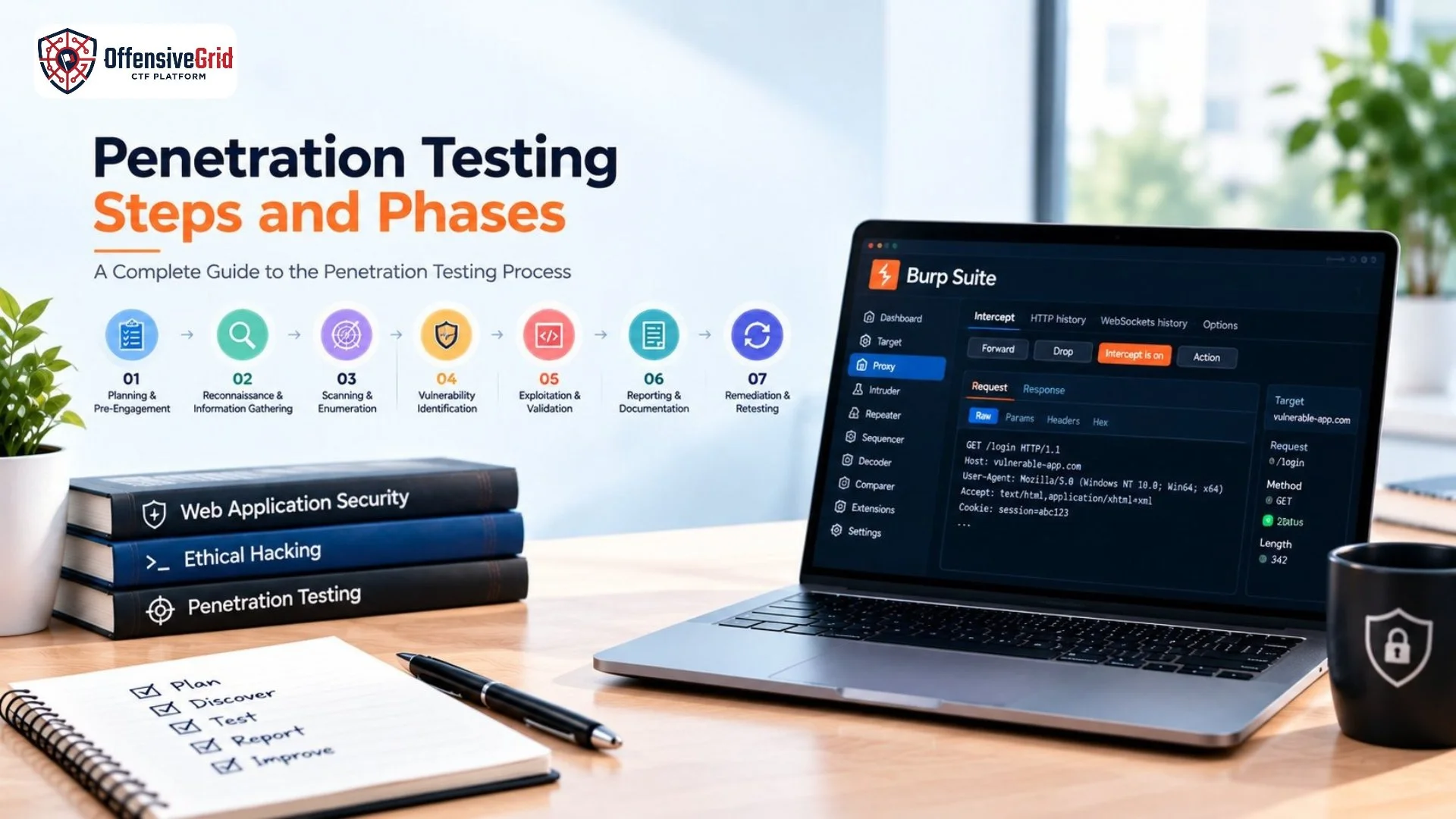
Burp Suite is a comprehensive platform for web application security testing. Its tools include Proxy, Repeater, Intruder, Scanner, Decoder, Comparer, and other components that can be used together during a web application assessment.
Burp Suite Proxy
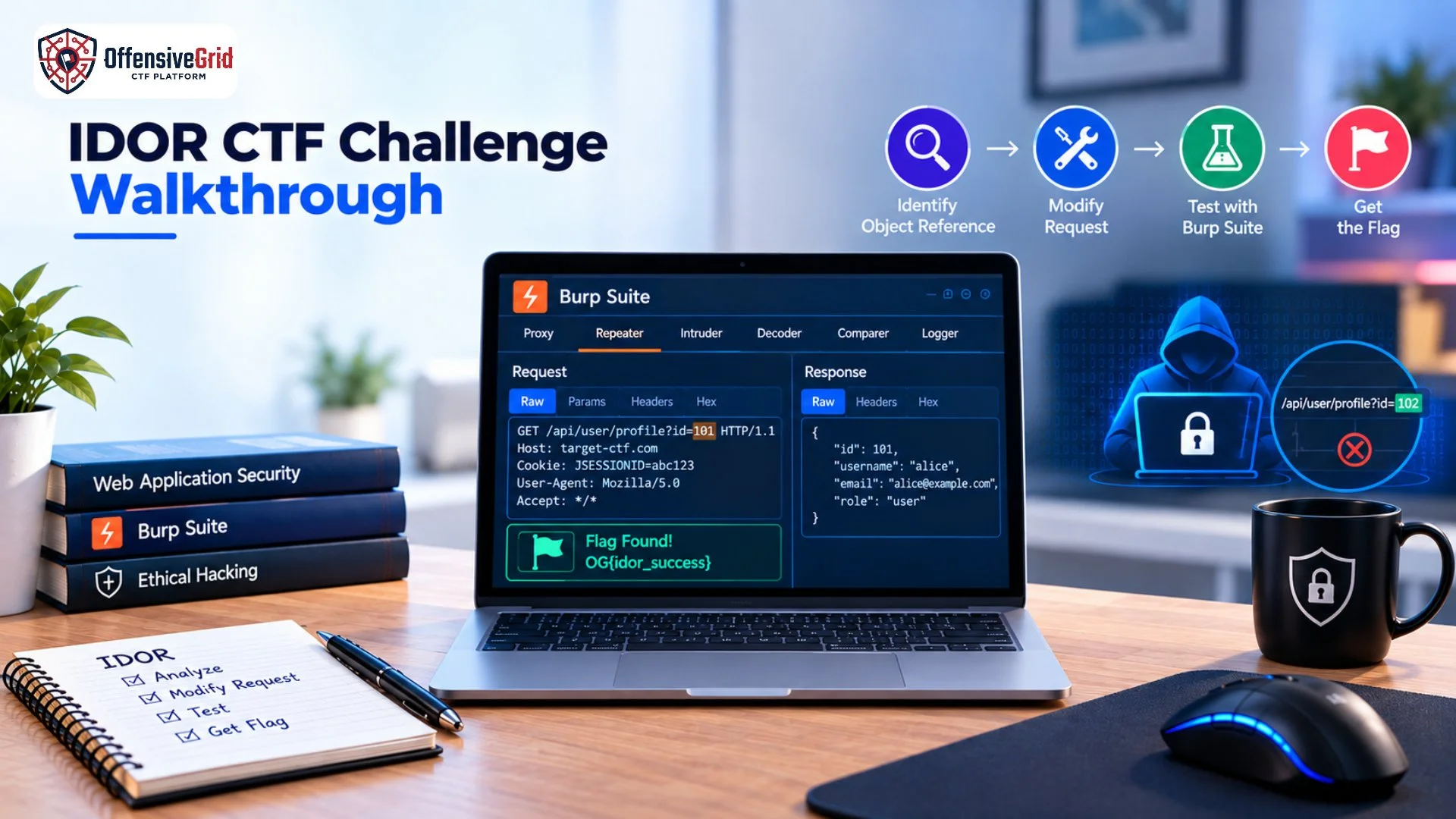
Burp Proxy sits between a browser and a target application, allowing authorized testers to intercept, inspect, and modify HTTP traffic. Requests can also be forwarded to other Burp tools for additional analysis.
Burp Repeater
Repeater allows testers to modify and resend HTTP or WebSocket messages repeatedly. It is useful for manually testing different input values and validating potential security issues.
Burp Intruder
Intruder automates customized requests by inserting different payloads into defined positions. It can support authorized fuzzing, enumeration, and other controlled testing activities. If you want to understand this tool in more detail, our guide on how to use Burp Suite covers Proxy, HTTP history, Repeater, Intruder, Scanner, and practical web security testing.
3. Wireshark
Wireshark is a network protocol analyzer that allows security professionals to capture and inspect network traffic. It provides detailed packet information, powerful display filters, live capture, and offline analysis capabilities.
What Is Wireshark Used For?
During penetration testing and security assessments, Wireshark can help testers understand how systems communicate across a network. It can be useful for analyzing protocols, troubleshooting unusual traffic, and investigating network behavior. Because packet captures can contain sensitive information, testers should only capture traffic within an authorized scope.
4. OWASP ZAP
OWASP ZAP, also known as Zed Attack Proxy, is a free and open-source web application security scanner. It is designed to support both beginners and experienced security professionals and provides options for security automation and extensibility through add-ons.
Why Use ZAP?
ZAP can be useful for identifying potential weaknesses in web applications and automating parts of security testing. It can also be incorporated into development and security workflows where automated testing is required. ZAP and Burp Suite are both useful web security tools, but the best choice depends on the testing environment, workflow, features, and project requirements.
5. Metasploit Framework
Metasploit Framework is a widely used open-source penetration testing framework. Its documentation provides resources for using the framework, developing modules, and conducting authorized security testing.
How Is Metasploit Used?
Metasploit can be used to validate vulnerabilities in controlled environments and understand how weaknesses could potentially be exploited. It is especially useful in security labs where testers need to reproduce known vulnerabilities safely. Metasploit should only be used against systems where testing permission has been provided.
6. Nikto
Nikto is a web server assessment tool commonly used to identify potentially risky files, outdated components, and configuration issues on web servers. It can provide useful information during an initial web server assessment, but its findings should be manually reviewed and validated before being treated as confirmed vulnerabilities. Nikto is therefore best viewed as one component of a broader web security testing methodology rather than a complete penetration testing solution.
7. Gobuster
Gobuster is commonly used for discovering directories, files, DNS subdomains, and other resources during authorized reconnaissance. For web application assessments, directory and resource discovery can help testers identify endpoints that are not immediately visible through normal application navigation. The results should then be analyzed manually to determine whether discovered resources introduce meaningful security risks.
8. SQLmap
SQLmap is an open-source tool focused on automating the detection and exploitation of SQL injection vulnerabilities. Its official project describes capabilities for identifying SQL injection techniques and interacting with supported database systems.
When Is SQLmap Useful?
SQLmap can help authorized testers validate SQL injection findings more efficiently. However, automated exploitation should always be performed within an approved testing scope because database-related testing can potentially affect application availability or data.
9. Password Auditing Tools
Password auditing tools can be used to evaluate the strength of authentication credentials in authorized environments. Examples include John the Ripper and Hashcat. These tools can help security teams identify weak passwords and improve password policies. Password testing should always be performed with explicit authorization and appropriate controls because credential material is highly sensitive.
How to Choose the Right Penetration Testing Tool
The best tool depends on what you are testing.
For Network Testing
Nmap and Wireshark are useful for network discovery, service identification, and traffic analysis.
For Web Application Testing
Burp Suite and OWASP ZAP provide capabilities for inspecting and testing web application behavior.
For Vulnerability Validation
Metasploit and specialized security tools can help validate vulnerabilities in controlled environments.
For Specific Vulnerabilities
Tools such as SQLmap can automate testing for specific vulnerability classes, such as SQL injection. A strong penetration testing workflow normally combines multiple tools with manual analysis.
How Penetration Testing Tools Work Together
Using tools individually is useful, but combining them into a structured methodology can produce better results.
For example, a tester may:
- Use Nmap to discover authorized hosts and services.
- Identify web applications running on discovered services.
- Use Burp Suite or ZAP to inspect application traffic.
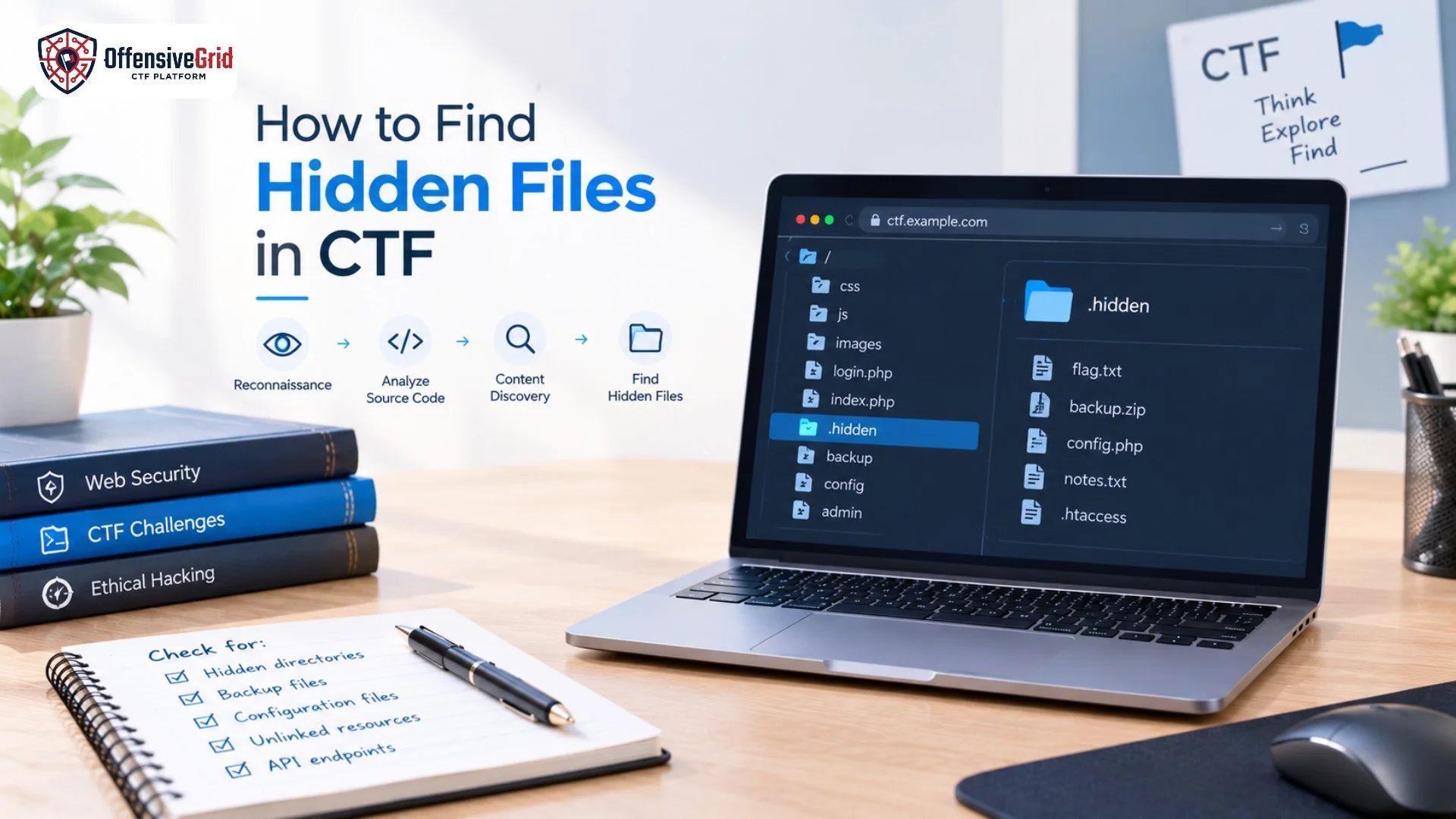
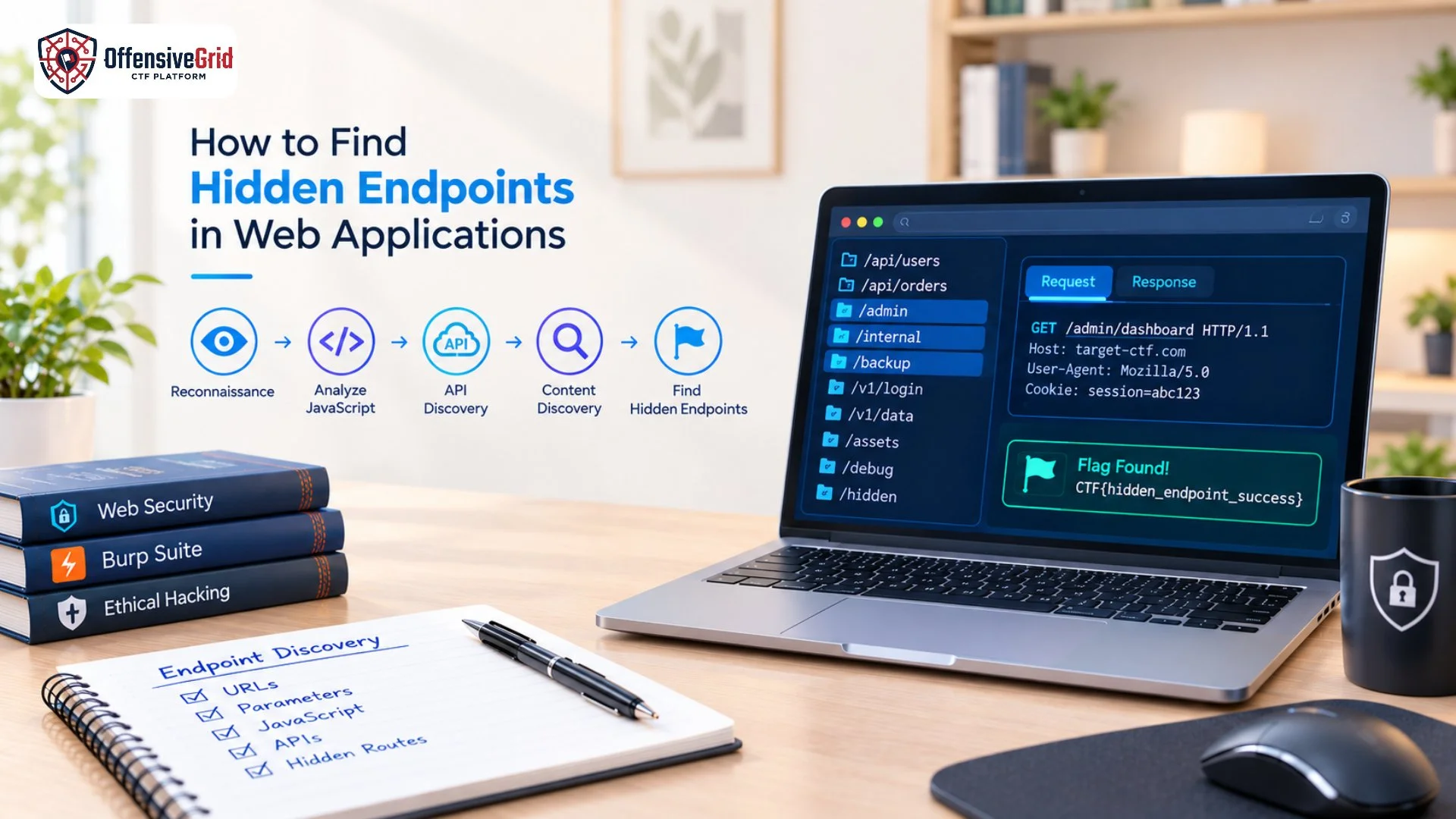
- Enumerate application resources and endpoints.
- Identify potential vulnerabilities.
- Use specialized tools to validate specific findings.
- Analyze the potential impact.
- Document evidence and remediation recommendations.
This workflow demonstrates why penetration testing is more than simply running automated scanners.
Practice Penetration Testing Tools Safely
Security tools should only be used against systems where you have explicit authorization.
Safe environments include:
- Intentionally vulnerable web applications
- Local virtual machines
- CTF platforms
- Private development environments
- Authorized penetration testing labs
- Cybersecurity training platforms
Offensive Grid can also be used as a practical environment for developing penetration testing skills through controlled cybersecurity labs and challenges. Learners can practice different security concepts without testing unauthorized real-world systems.
If you are developing practical skills, a web app pentest lab with flags can also help you understand how hands-on web security labs combine vulnerability discovery, testing, and challenge-based learning.
Common Mistakes When Using Penetration Testing Tools
Relying Only on Automated Tools
Automated tools can identify potential issues quickly, but they may produce false positives or miss business-logic vulnerabilities. Manual validation remains important.
Ignoring the Scope
Running a scan against the wrong IP, domain, or application can cause unexpected problems. Always confirm the authorized scope before testing.
Using Too Many Tools
More tools do not automatically mean better testing. Testers should choose tools based on the assessment objective rather than running every available scanner.
Failing to Document Findings
Screenshots, requests, responses, affected assets, and testing observations should be documented throughout the engagement.
FAQs About Penetration Testing Tools
What are the most common penetration testing tools?
Common tools include Nmap, Burp Suite, Wireshark, OWASP ZAP, Metasploit, Gobuster, Nikto, and SQLmap. The appropriate combination depends on the target and assessment objectives.
Which penetration testing tool is best for web applications?
Burp Suite and OWASP ZAP are widely used for web application security testing. The choice depends on the tester’s workflow, requirements, and preferred features.
Are penetration testing tools safe to use?
The tools themselves are legitimate security software, but their use can affect target systems. They should only be used against systems where you have explicit authorization and within an agreed testing scope.
Can beginners learn penetration testing tools?
Yes. Beginners can start with networking fundamentals, Linux, HTTP, web technologies, and controlled security labs before progressing to advanced testing techniques.
Conclusion
The right penetration testing tools can make security assessments more organized, efficient, and thorough. Nmap can support network discovery, Wireshark can provide detailed traffic analysis, Burp Suite and OWASP ZAP can assist with web application testing, while Metasploit and specialized tools can help validate vulnerabilities in controlled environments. However, tools are only one part of penetration testing. Effective security assessments also require technical knowledge, manual analysis, careful documentation, and responsible testing practices. By combining the right tools with hands-on practice and an authorized methodology, security professionals can develop stronger skills and produce more meaningful security findings.