The terms dark web and deep web are often used interchangeably, but they do not mean the same thing. Both refer to online content that is not readily available through standard search engine results, yet they differ in how users access them, why they exist, and the privacy features they provide.
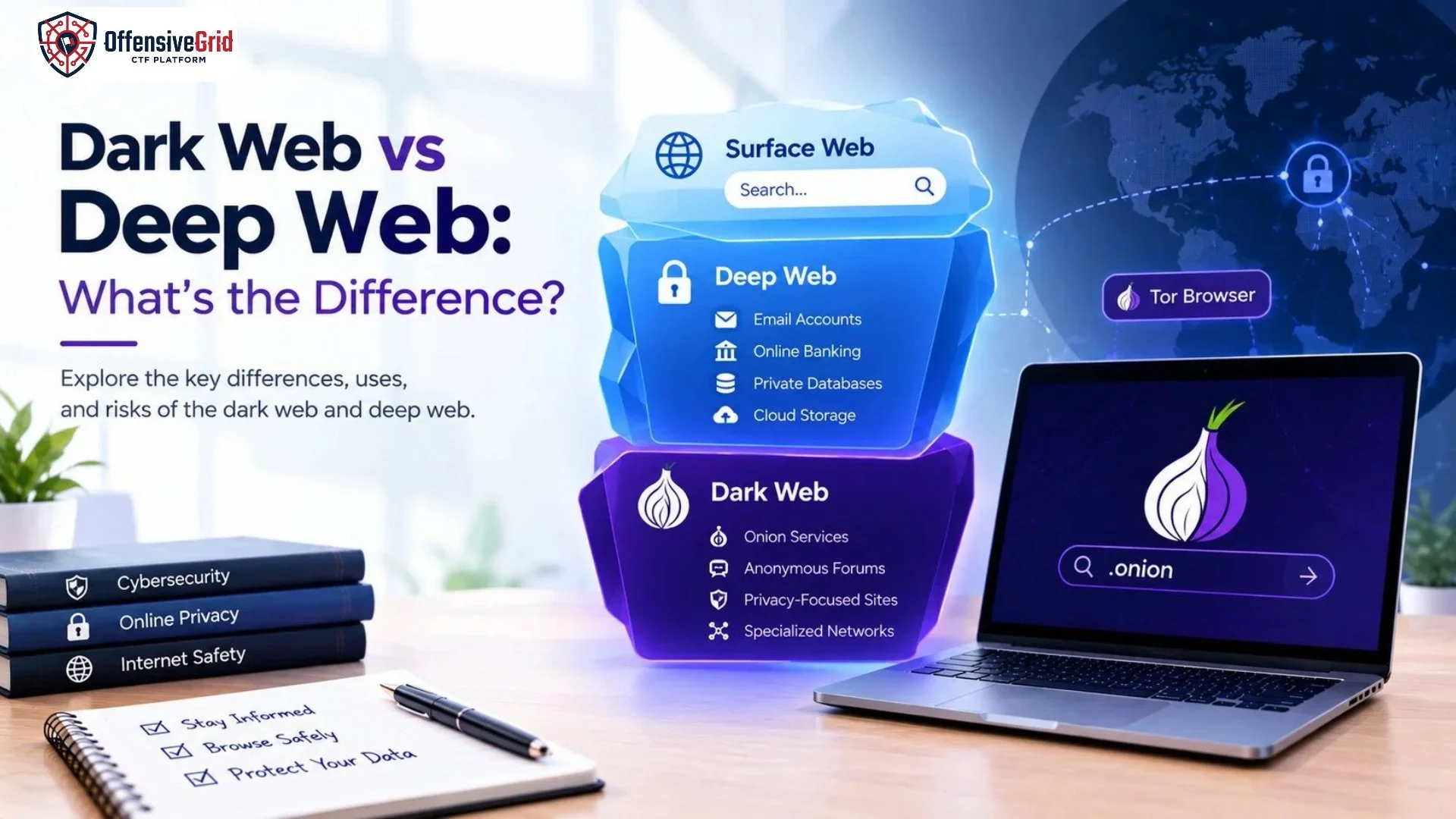
Understanding Dark Web vs Deep Web: What’s the Difference? is important for anyone interested in cybersecurity, online privacy, or digital safety. The deep web includes everyday services such as private email accounts and online banking portals, while the dark web is a smaller section that uses specialized networks and software to provide additional privacy.
In this guide, we will explain both terms, compare their key features, explore common use cases, and share practical safety tips.
What Is the Deep Web?
The deep web refers to online content that standard search engines, such as Google and Bing, do not index. This content is not necessarily secret, dangerous, or illegal. In many cases, it is simply protected by a login, paywall, or other access restriction.
For example, when you sign in to your email account or access your personal banking dashboard, you are using content that is generally not available in public search results.
Common Examples of the Deep Web
The deep web includes many services people use regularly, such as:
- Email accounts: Private messages and inboxes that require authentication.
- Online banking: Account balances, transaction records, and financial dashboards.
- Cloud storage: Private documents and files stored in online accounts.
- Academic databases: Research papers and journals available through subscriptions or institutional access.
- Healthcare portals: Private medical records and appointment information.
- Business intranets: Internal company resources available to authorized employees.
These examples demonstrate that the deep web plays an important role in privacy and access control. Its content is generally accessed through a standard browser, provided the user has the necessary permissions.
What Is the Dark Web?
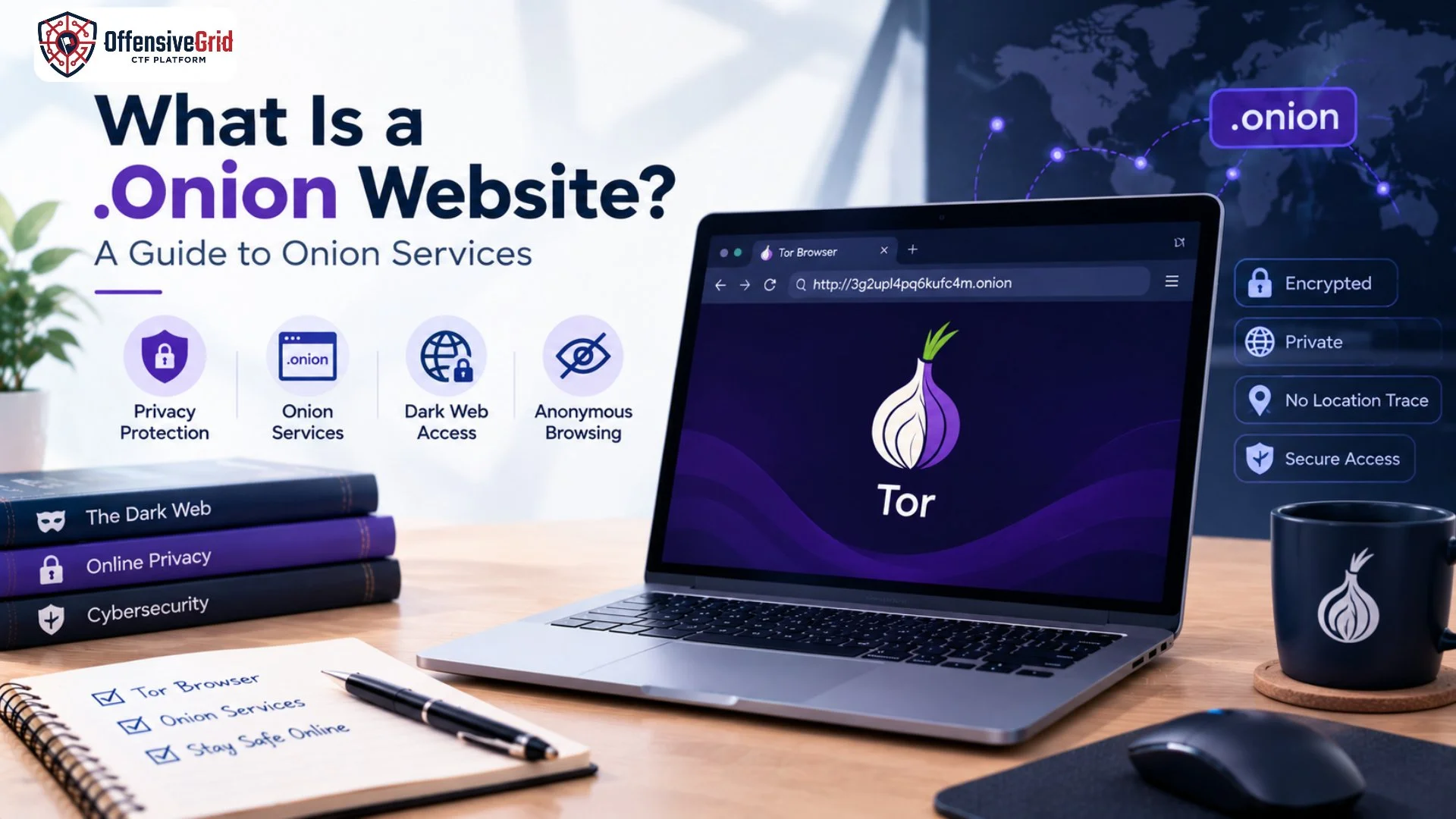
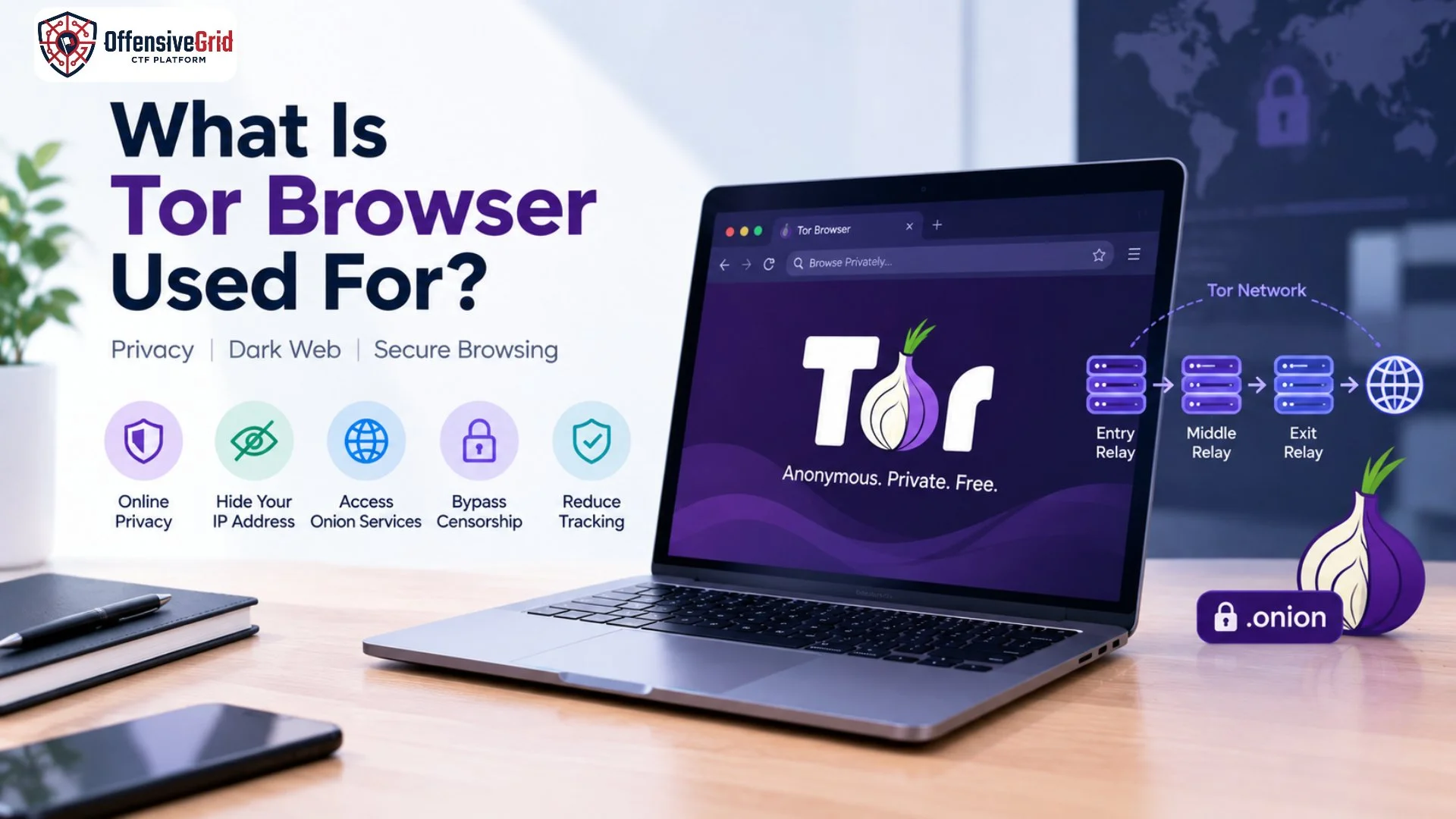
The dark web is a smaller part of the deep web that operates through specialized networks designed to provide greater privacy and help conceal the location or identity of users and services. One of the best-known technologies used to access the dark web is Tor. Tor Browser connects to the Tor network, allowing users to visit supported onion services, which commonly use addresses ending in .onion.
According to the Tor Project, onion services support privacy-focused website hosting, communication, and file sharing.
Common Characteristics of the Dark Web
- Specialized access: Some services require Tor Browser or other compatible software.
- Privacy-focused connections: Networks such as Tor are designed to make tracking connections more difficult.
- Limited search visibility: Standard search engines generally do not index onion services in the same way as public websites.
- Legitimate and illegal uses: The dark web supports privacy-focused activities but can also host scams, malicious content, and illegal marketplaces.
The dark web is not automatically illegal or unsafe. Its risks depend on the services people visit and the activities they undertake.
For a more detailed explanation of onion services, read What Is a .onion Website?
Dark Web vs Deep Web: Key Differences
Although the dark web belongs to the broader category of the deep web, several important differences distinguish them.
| Feature | Deep Web | Dark Web |
| Definition | Content not indexed by standard search engines | Hidden services operating through specialized networks |
| Access method | Usually a regular browser with the correct permissions | Specialized software or network access may be required |
| Examples | Email, banking portals, private databases | Onion websites, privacy-focused forums, anonymous publishing services |
| Privacy | Depends on the service and its security controls | Often designed to provide additional connection privacy |
| Search visibility | Not publicly indexed or fully accessible to crawlers | Generally unavailable through ordinary search engines |
| Main purpose | Protecting restricted content and providing private access | Privacy, anonymous publishing, communication, and other uses |
| Legal status | Generally includes ordinary, legitimate services | Includes legitimate services as well as potentially illegal activity |
The key distinction is that the deep web describes content that is not indexed, while the dark web describes a subset accessed through specialized privacy-focused networks.
Deep Web vs Dark Web vs Surface Web
To understand the difference more clearly, it helps to compare all three layers of the web.
1. Surface Web
The surface web includes publicly accessible pages that conventional search engines can index. Examples include public blogs, news websites, product pages, and openly available educational resources.
Users can generally access these pages through standard browsers without special permissions.
2. Deep Web
The deep web contains content that is not indexed by ordinary search engines. It includes private account dashboards, subscription content, and restricted databases.
Most people use the deep web daily without realizing it. Access typically depends on authentication, permissions, or the way the content is generated.
3. Dark Web
The dark web is a smaller subset of the deep web that relies on specialized networks or configurations. Tor onion services are a well-known example.
Unlike ordinary private web pages, onion services use a distinct addressing system and Tor’s connection mechanisms to support privacy for both visitors and service operators.
What Is the Dark Web Used For?
The dark web has a mixed reputation because it supports both legitimate privacy needs and criminal activity.
Legitimate Uses
- Journalism and whistleblowing: Privacy-focused services can help journalists receive sensitive information from sources.
- Censorship resistance: People in restrictive environments may use privacy technologies to access information or communicate.
- Anonymous publishing: Onion services allow website operators to publish content without exposing their server’s public location in the usual way.
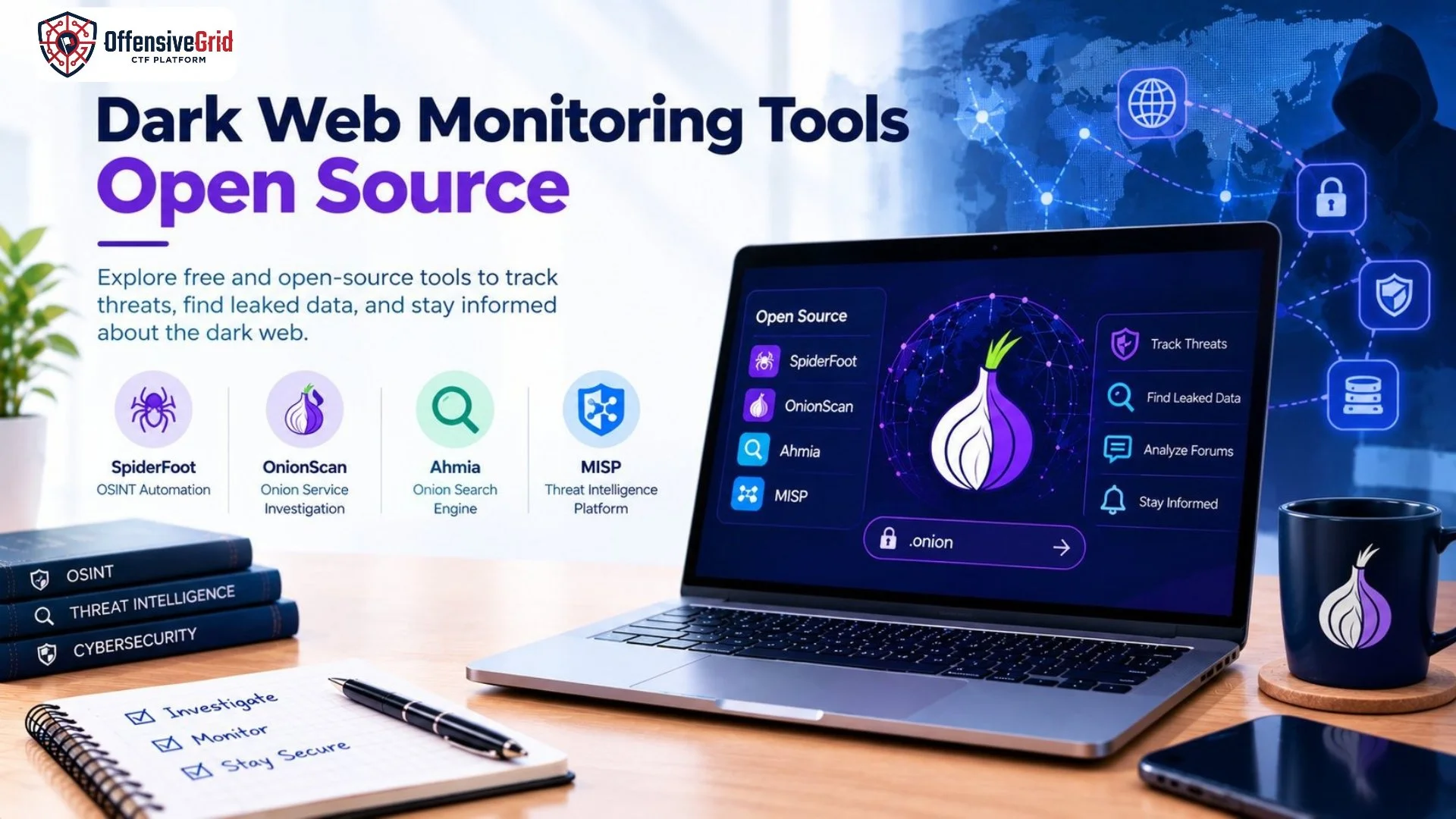
- Cybersecurity research: Researchers may examine publicly available threat intelligence and study emerging security risks.
Illegal or Risky Activities
Some dark web services are associated with stolen data, fraud, malware distribution, and illegal marketplaces. Users may also encounter phishing pages, deceptive offers, malicious downloads, or attempts to steal personal information.
These activities are not representative of every dark web service, but they highlight why caution is necessary.
Is the Deep Web Safer Than the Dark Web?
The deep web is not inherently safe, and the dark web is not automatically dangerous. Risk depends on the website, the information involved, the security controls in place, and the user’s behavior.
For example, a legitimate banking portal is part of the deep web, but a compromised account can still expose sensitive information. Similarly, a legitimate onion service may provide useful privacy protections, but those protections do not guarantee that its operator is trustworthy.
Practical Online Safety Tips
Follow these basic precautions when accessing private or unfamiliar online services:
- Use strong, unique passwords and enable multifactor authentication where available.
- Keep your operating system, browser, and security software updated.
- Verify website addresses before entering sensitive information.
- Avoid suspicious links, unexpected downloads, and requests for personal or financial details.
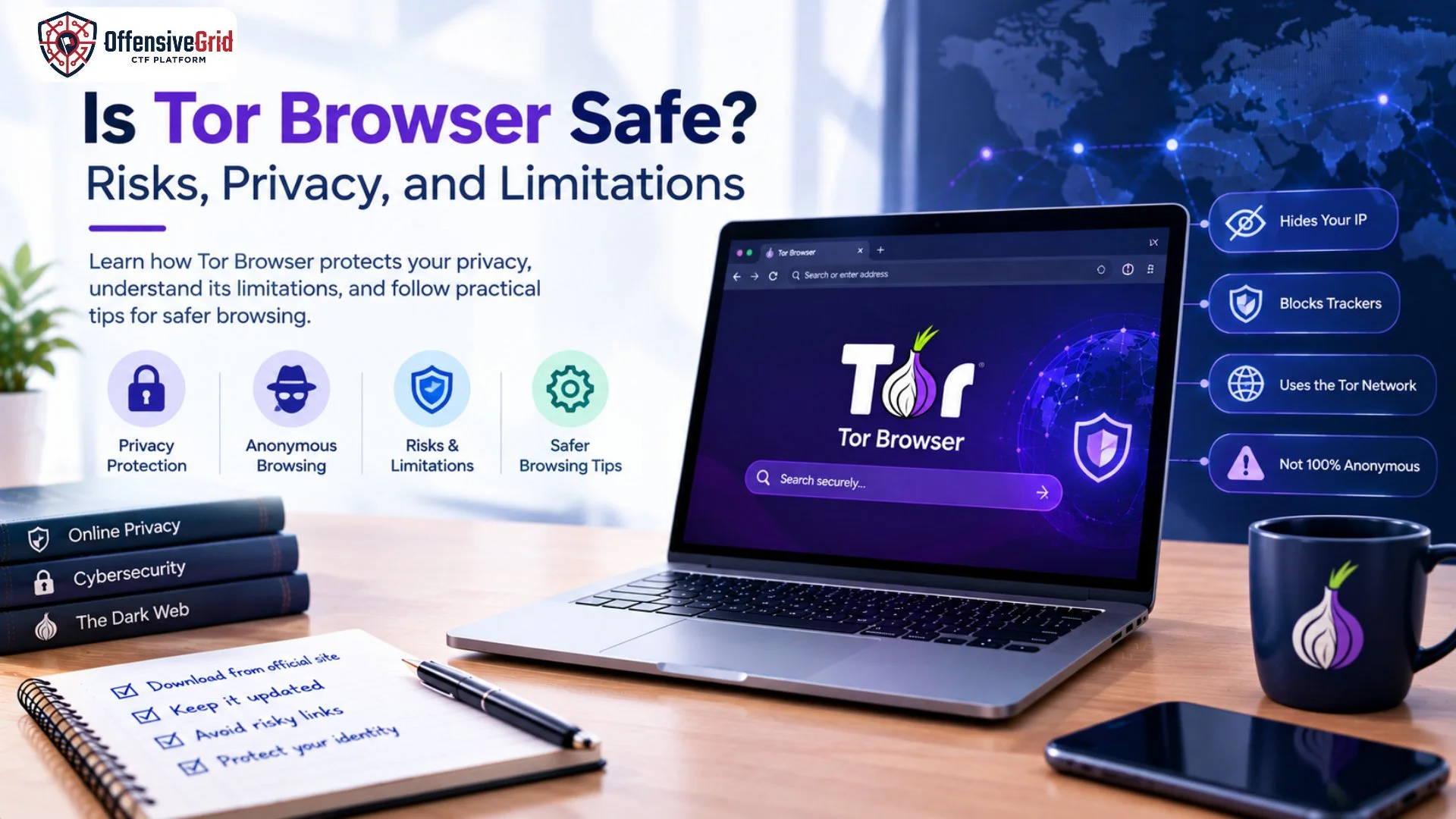
- Use Tor Browser only from the official Tor Project website when accessing onion services.
- Never assume that anonymity tools make every online action untraceable or risk-free.
For more information about Tor and its privacy features, explore What Is Tor Browser Used For?
Frequently Asked Questions
Is the dark web the same as the deep web?
No. The dark web is a subset of the deep web. The deep web includes all kinds of unindexed content, while the dark web consists of services accessed through specialized networks or configurations.
Is using the deep web illegal?
No. Accessing email, online banking, private cloud storage, and other authorized services is completely routine. Legality depends on the activity and applicable laws, not simply whether content is indexed.
Do I need Tor Browser to access the deep web?
No. Most deep web content is accessible through regular browsers when you have the correct login credentials or permissions. Tor Browser is commonly used to access Tor onion services.
Can Google index the dark web?
Standard search engines generally cannot index onion services in the same way they index public websites. Some specialized search tools index selected onion addresses, but their coverage is limited.
Does the dark web guarantee anonymity?
No. Privacy-focused networks can make certain forms of tracking more difficult, but they cannot eliminate every risk. Account logins, personal information shared online, malicious files, and device vulnerabilities may still expose users.
Conclusion
Understanding Dark Web vs Deep Web: What’s the Difference? helps separate everyday private online services from specialized networks designed to support greater privacy. The deep web includes familiar services such as email accounts, banking dashboards, and private databases. The dark web is a smaller part of the deep web that includes privacy-focused services accessed through technologies such as Tor. Neither term automatically indicates illegal activity. However, users should understand the risks, verify unfamiliar services, and protect their personal information. A clear understanding of these distinctions is an important step toward safer and more informed internet use.