
Want to know how to learn ethical hacking practically? The best way is to combine cybersecurity fundamentals with hands-on labs, CTF challenges, penetration testing exercises, and authorized practice environments. Practical training helps beginners understand vulnerabilities, use security tools, and develop the problem-solving skills needed for real-world cybersecurity.
What Is Ethical Hacking?
Ethical hacking is the authorized process of identifying and assessing security weaknesses in systems, networks, websites, and applications. Unlike malicious hacking, ethical hacking is performed with permission to help organizations improve their security.
Ethical hackers use techniques similar to attackers, but their goal is to identify vulnerabilities before criminals can exploit them. This makes practical ethical hacking an important skill for cybersecurity professionals.
Why Is Practical Ethical Hacking Important?
Reading cybersecurity concepts is useful, but theory alone cannot provide enough experience. Hands-on ethical hacking allows learners to apply what they study in realistic situations. Practical training helps you:
- Understand how vulnerabilities work
- Learn how security tools are used
- Improve troubleshooting and problem-solving skills
- Practice penetration testing techniques
- Understand attacker behavior
- Develop confidence through real exercises
- Prepare for cybersecurity roles and certifications
The more you practice in safe and authorized environments, the better you become at recognizing and analyzing security problems.
How to Learn Ethical Hacking Practically
Build a Strong Cybersecurity Foundation
Before moving into advanced hacking techniques, learn the basics of cybersecurity. Start with concepts such as:
- Confidentiality, integrity, and availability
- Authentication and authorization
- Common cyber threats
- Vulnerabilities and security controls
- Risk and security management
A strong foundation makes advanced topics much easier to understand.
Learn Networking Fundamentals
Networking is essential for anyone learning ethical hacking. Understand how devices communicate and become familiar with concepts such as:
- IP addresses
- TCP/IP
- DNS
- HTTP and HTTPS
- Ports and protocols
- Firewalls
- Network services
You do not need to master networking immediately. Focus on understanding how systems communicate and how security weaknesses can occur.
Get Comfortable With Linux and the Command Line
Many cybersecurity tools and environments rely heavily on Linux. Learning basic command-line operations will make practical security training much easier. Practice tasks such as navigating directories, managing files, searching for information, and understanding permissions. As your skills improve, you can gradually explore security-focused tools in legal lab environments.
Practice Web Security
Web applications are an important area of penetration testing. Beginners can learn about common web security concepts such as:
- Authentication weaknesses
- Access control issues
- Input validation
- Injection vulnerabilities
- Session security
- Security misconfigurations
Instead of testing real websites without permission, use intentionally vulnerable applications and cybersecurity labs designed for learning.
Start With CTF Challenges
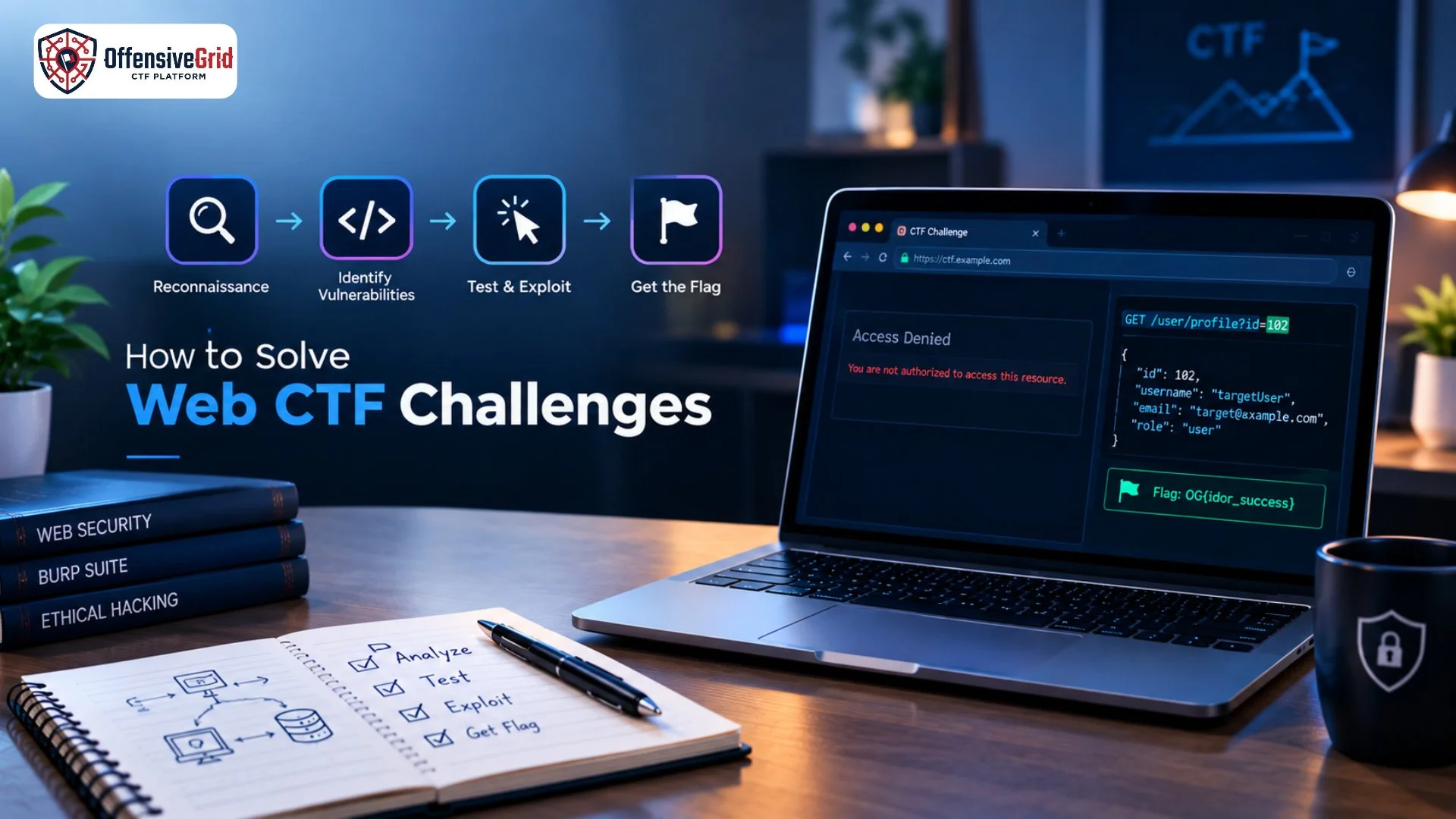
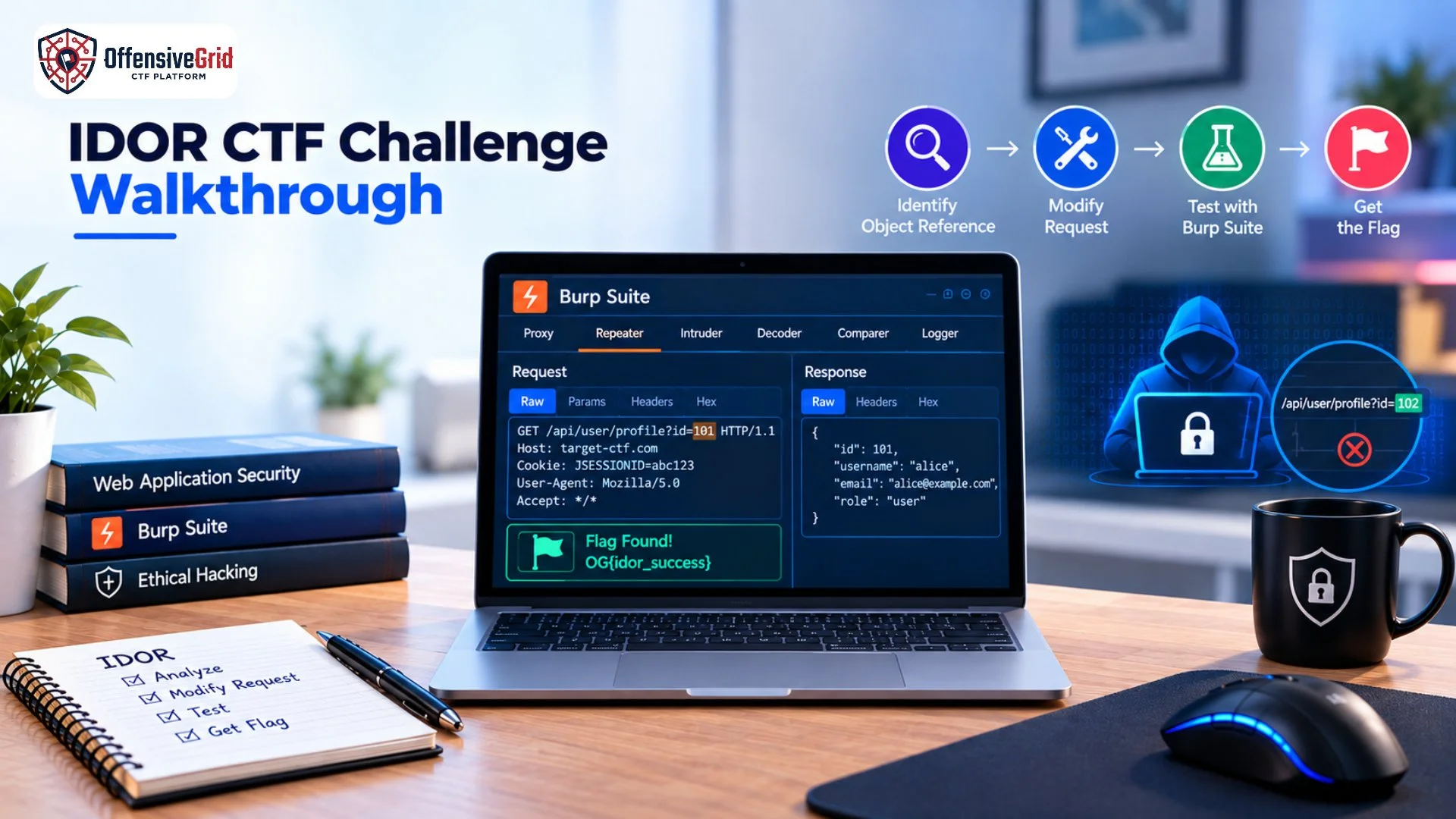
Capture the Flag (CTF) challenges are one of the most effective ways to practice ethical hacking. CTFs provide controlled challenges where learners search for hidden information, analyze vulnerabilities, investigate files, or solve security problems. Common categories include:
- Web security
- Cryptography
- Digital forensics
- OSINT
- Networking
- Linux
- Reverse engineering
CTFs are particularly useful because they turn cybersecurity learning into practical problem-solving.
Use Hands-On Cybersecurity Labs
Structured ethical hacking practical labs provide a safer and more organized way to develop technical skills. Instead of simply watching tutorials, learners work through realistic scenarios and apply concepts themselves. A good lab environment should allow you to practice without affecting real systems or users. As you progress, choose exercises that gradually increase in complexity.
Tools You Can Learn
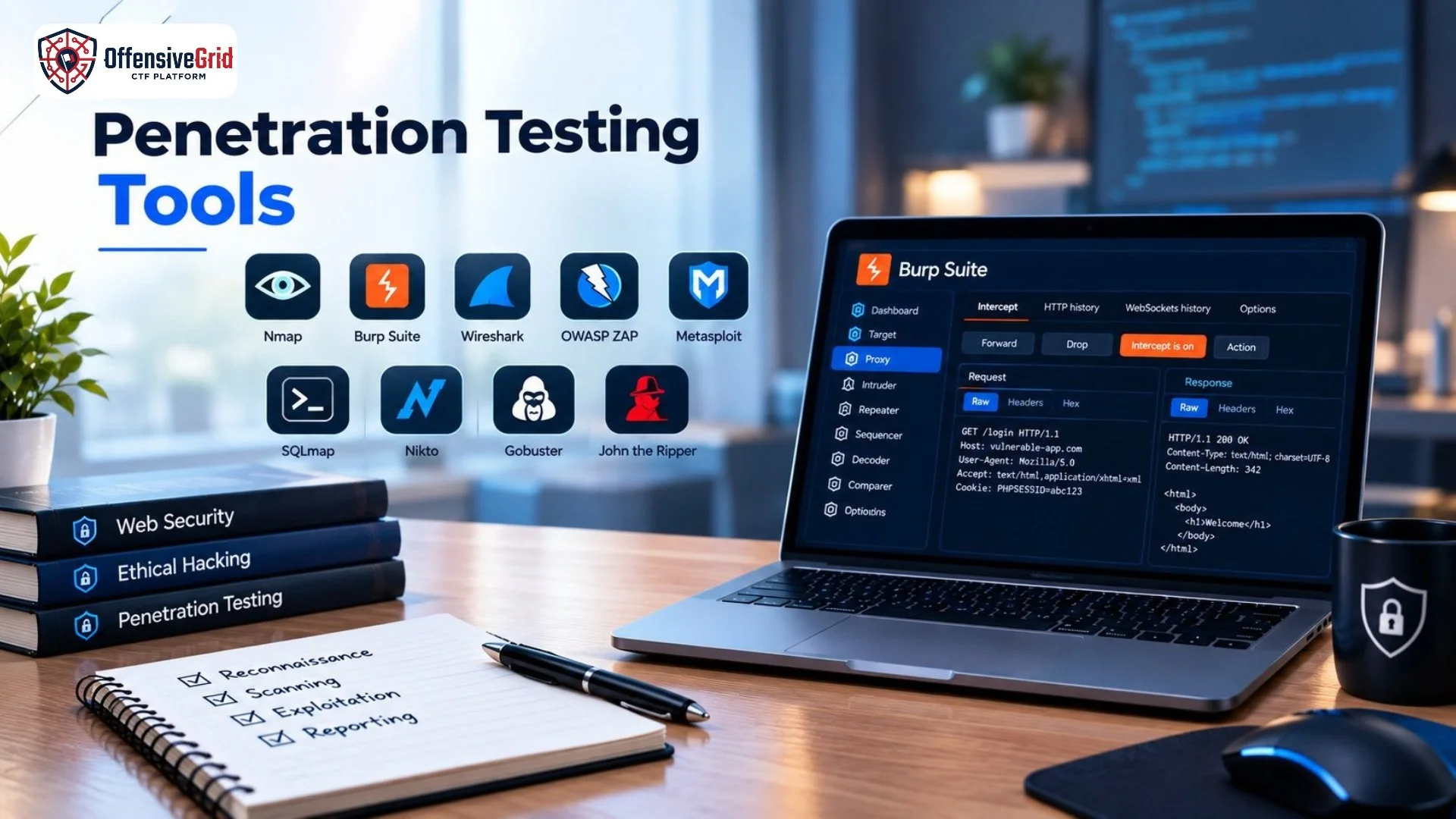
Ethical hackers use different tools depending on the type of assessment they are performing. Beginners can gradually become familiar with tools used for:
- Network analysis
- Web application testing
- Vulnerability assessment
- Digital forensics
- Traffic inspection
- Security monitoring
- Information gathering
The goal should not be to memorize hundreds of tools. Instead, understand why a tool is used, what problem it solves, and how to interpret its results.
A Practical Ethical Hacking Learning Path
A structured learning path can prevent beginners from becoming overwhelmed
| Level | What to Learn |
|---|
| Beginner | Cybersecurity basics, networking, Linux, command line |
| Intermediate | Web security, vulnerability assessment, CTFs, security tools |
| Advanced | Penetration testing, red team concepts, advanced labs, reporting |
Practice Only in Authorized Environments
Ethical hacking must always be performed legally and responsibly. Never test a website, network, application, or device without explicit permission.
For beginners, the safest options include:
- Cybersecurity training labs
- CTF platforms
- Private virtual machines
- Vulnerable applications designed for education
- Authorized organizational environments
This approach allows you to develop real skills without creating security or legal problems.
How Offensive Grid Supports Practical Ethical Hacking
Learning ethical hacking becomes more effective when training includes realistic environments and hands-on exercises. Offensive Grid provides practical cybersecurity training designed around real-world scenarios rather than theory alone.
Its training environment includes hands-on labs covering areas such as web application security, network security, Windows and Active Directory, Linux exploitation, cloud security, digital forensics, reverse engineering, OSINT, malware analysis, wireless security, and AI/ML security.
Learners can also develop specialized skills through role-based training, including Penetration Tester and Red Team Operator tracks. CTF competitions and practical cyber ranges provide additional opportunities to apply cybersecurity knowledge in controlled environments.
For organizations and institutions, Offensive Grid also supports structured cybersecurity training, private cloud ranges, red team exercises, purple team activities, and custom CTF competitions.
Common Mistakes Beginners Should Avoid
When learning ethical hacking, avoid these common mistakes:
Focusing Only on Tools
Knowing commands does not automatically make someone a good ethical hacker. Focus on understanding vulnerabilities and the reasoning behind each technique.
Skipping Fundamentals
Networking, Linux, operating systems, and web technologies are the foundation of practical cybersecurity.
Practicing Without Permission
Never test systems you do not own or have explicit authorization to assess.
Trying to Learn Everything at Once
Cybersecurity is a broad field. Choose one area, practice consistently, and gradually expand your skills.
How Long Does It Take to Learn Ethical Hacking?
There is no fixed timeline because progress depends on your background, learning schedule, and amount of hands-on practice. A beginner can start with cybersecurity fundamentals and gradually move toward practical labs and CTFs. With consistent practice, learners can build a strong foundation and then specialize in areas such as penetration testing, red teaming, digital forensics, or security operations. The key is consistent hands-on practice rather than simply completing courses.
Frequently Asked Questions
Can I learn ethical hacking as a beginner?
Yes. Start with cybersecurity fundamentals, networking, Linux, and basic web security before progressing to practical labs and CTF challenges.
Do I need programming skills to learn ethical hacking?
Programming is helpful but not always required at the beginning. Basic scripting skills can become increasingly valuable as you move toward advanced penetration testing and automation.
Are CTFs good for learning ethical hacking?
Yes. CTFs provide controlled, practical challenges that help learners develop problem-solving and cybersecurity skills.
Is ethical hacking legal?
Ethical hacking is legal when you have proper authorization to test the system or environment. Testing systems without permission can be illegal.
Conclusion
The best way to learn ethical hacking practically is to combine cybersecurity theory with continuous hands-on practice. Build your fundamentals, learn networking and Linux, explore web security, solve CTF challenges, and practice in authorized cybersecurity labs. For learners and organizations looking for realistic, hands-on cybersecurity training, platforms such as Offensive Grid can provide structured labs, cyber ranges, CTFs, and role-based learning experiences that help turn theoretical knowledge into practical skills.